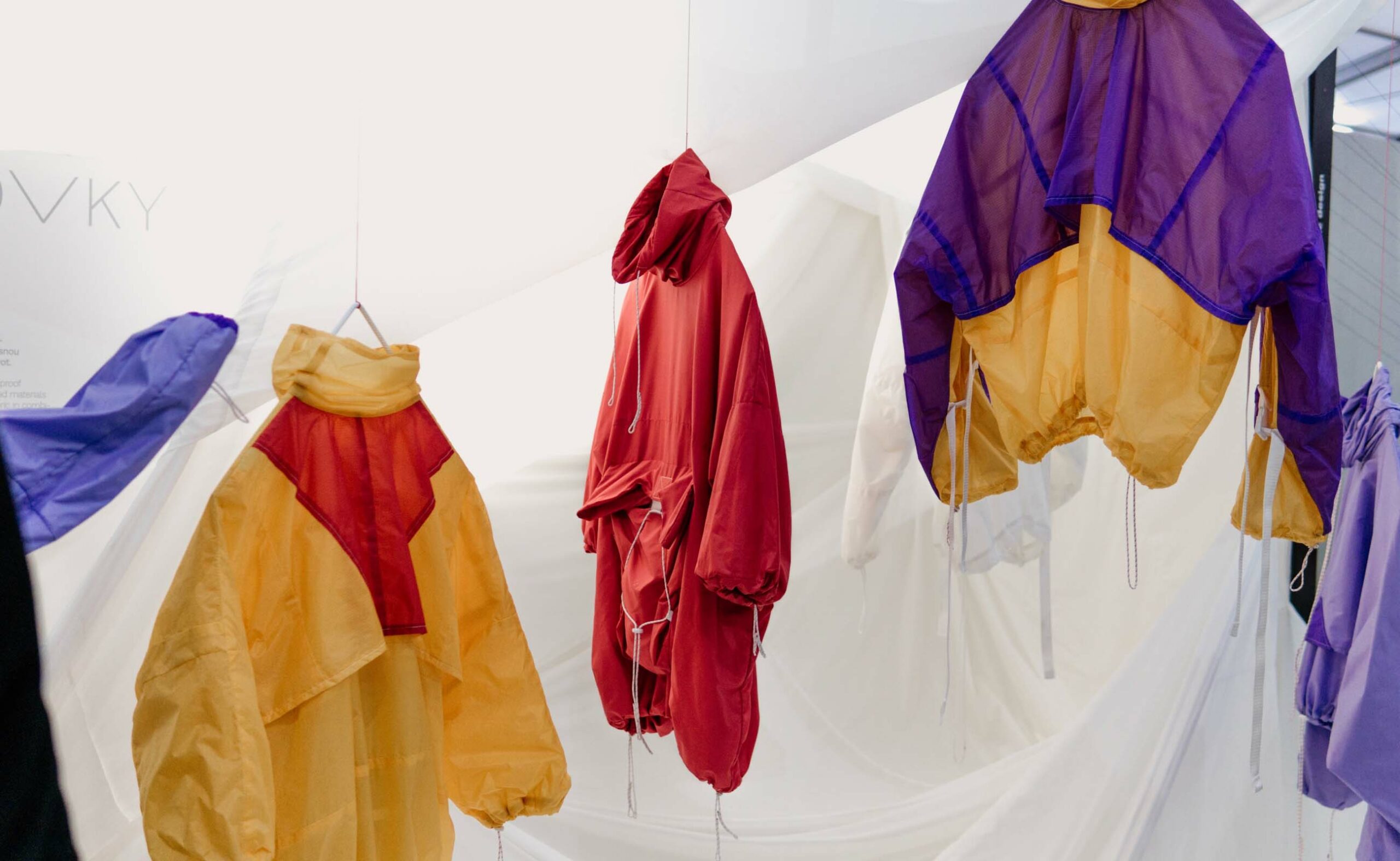
Color is a silent yet powerful language. It’s a universal communicator that transcends barriers and speaks to our emotions and senses. In the realm of design, color choices are more than a mere aesthetic decision; they are a strategic tool for influencing consumer emotions and behaviors. From branding to web design and marketing, understanding the psychology of color is akin to unlocking the key to creating compelling visual experiences that resonate with your audience on a profound level.
When it comes to design, colour is far more than just a visual element. It has the power to influence moods, perceptions, and even decisions. From the subtle use of blues in corporate logos to the fiery reds used in fast food chains, colours evoke emotional responses and communicate messages on a subconscious level. Understanding the psychology of colour is essential for any business or designer looking to craft a memorable and impactful brand experience.
At BIIT DIGITAL, we believe that every colour choice in your design should align with your brand’s identity and the message you want to convey. In this blog post, we’ll explore the psychological effects of different colours and how you can use them strategically to enhance your design, build trust, and drive engagement.
The Impact of Colour on Human Psychology
Colour has a profound effect on human emotions and behavior. According to various studies, the colours we see can trigger specific feelings and associations, and influence decisions in ways we might not even be aware of. This is why choosing the right colours for your brand’s design isn’t just about aesthetics—it’s about understanding how your audience perceives and reacts to certain hues.
Here’s a breakdown of the most common colours used in design, along with the psychological responses they tend to provoke:
1. Red: Passion, Energy, and Urgency
Red is a bold, dynamic colour that immediately grabs attention. It’s often used to evoke strong emotions, such as excitement, passion, or even aggression. Because of its high energy, red is commonly used in industries where urgency is key—such as in sales, clearance events, and fast food branding.
Psychological Effects: Red increases heart rate, stimulates appetite, and can even create a sense of urgency.
Where It’s Used: Restaurants (e.g., McDonald’s, Coca-Cola), clearance sales, fitness brands, and entertainment industries.
Pro Tip: Use red sparingly in your design to avoid overwhelming your audience. It works best for calls to action (CTAs) or to highlight key areas of your design.
2. Blue: Trust, Calm, and Professionalism
Blue is one of the most universally liked colours and is often associated with calmness, trust, and professionalism. It’s widely used by businesses to convey reliability and competence. Blue is a favourite choice in the tech, finance, and healthcare industries because it helps build a sense of security and dependability.
Psychological Effects: Blue promotes calmness, reduces stress, and creates a feeling of trust and stability.
Where It’s Used: Corporate logos (e.g., Facebook, IBM, American Express), banks, tech companies, and healthcare providers.
Pro Tip: Lighter shades of blue work well for creating a peaceful or serene atmosphere, while darker shades are often seen as more formal and authoritative.
3. Yellow: Optimism, Attention, and Happiness
Yellow is the colour of sunshine, warmth, and optimism. It’s a high-energy, attention-grabbing colour that creates a sense of happiness and positivity. However, it can be overwhelming if used excessively, so it’s best used as an accent colour to highlight key elements or evoke a sense of cheerfulness.
Psychological Effects: Yellow promotes happiness, optimism, and creativity. It’s also linked with mental clarity and energy.
Where It’s Used: Children’s products, creative agencies, food (e.g., McDonald’s, Subway), and cautionary signage.
Pro Tip: Use yellow to draw attention to important elements, but balance it with more neutral tones to avoid creating a sense of anxiety or restlessness.
4. Green: Growth, Balance, and Nature
Green is commonly associated with nature, health, and growth. It’s a colour that promotes balance and harmony and is often used by brands that want to emphasize sustainability, wellness, or eco-friendliness. Green also represents wealth and prosperity, making it a great choice for financial institutions or luxury brands.
Psychological Effects: Green promotes calm, balance, and relaxation. It’s often associated with nature and health, which is why it’s used in wellness and environmental brands.
Where It’s Used: Health and wellness brands, environmental organizations, financial institutions, and luxury brands.
Pro Tip: Use green to reinforce messages of sustainability, health, and organic living, or to create a feeling of tranquility and renewal.
5. Orange: Enthusiasm, Creativity, and Adventure
Orange is a vibrant and energetic colour that combines the warmth of red with the cheerfulness of yellow. It’s often used to evoke feelings of excitement, adventure, and creativity. It’s a great choice for brands that want to convey a sense of playfulness or innovation, such as in the fashion, tech, and entertainment industries.
Psychological Effects: Orange promotes energy, enthusiasm, and creativity. It can also stimulate appetite and encourage social interaction.
Where It’s Used: Tech startups, entertainment companies, sports brands, and food and beverage companies.
Pro Tip: Use orange sparingly in your design to create a sense of excitement or fun, especially for calls to action and promotional content.
6. Purple: Luxury, Creativity, and Spirituality
Purple is often associated with luxury, royalty, and sophistication. Historically, purple was a rare and expensive dye, which led to its association with wealth and high status. It’s also linked with creativity and spirituality, making it a popular choice for artistic brands and those in the beauty, fashion, and wellness industries.
Psychological Effects: Purple evokes feelings of luxury, creativity, and mystery. It’s often linked to spirituality and higher consciousness.
Where It’s Used: Beauty products, high-end fashion, luxury brands, and spiritual or wellness services.
Pro Tip: Use purple for luxury or high-end brands, but be careful not to overuse it, as it can feel too heavy or opulent in certain contexts.
7. Black: Elegance, Sophistication, and Authority
Black is the colour of sophistication, power, and elegance. It’s often used to convey a sense of authority and exclusivity. Black can be both timeless and modern, which is why it’s frequently used in high-end fashion and luxury branding. It also creates a sense of mystery and intrigue when used in design.
Psychological Effects: Black signifies authority, sophistication, and mystery. It’s often used to evoke luxury and elegance.
Where It’s Used: Luxury brands (e.g., Chanel, Apple), fashion, high-end products, and technology.
Pro Tip: Use black to create a sleek, elegant look or to provide contrast against lighter colours. It works well in minimalist design schemes.
How to Use Colour Effectively in Your Designs
When incorporating colour into your designs, keep the following tips in mind:
Align Colours with Your Brand Identity: Every colour should support your brand’s values and messaging. Choose colours that align with the emotions you want your audience to associate with your brand.
Consider Your Audience: Different cultures and demographics may have different associations with colour. Research your target audience to understand how they may interpret certain colours.
Create Contrast: Using contrasting colours helps to create visual interest and directs attention to specific elements in your design. Make sure there is enough contrast between text and background for readability.
Limit Your Colour Palette: Too many colours can overwhelm the viewer. Stick to a limited colour palette to maintain visual harmony and ensure a cohesive brand image.
Test and Iterate: Don’t be afraid to experiment with different colours and combinations. A/B testing your designs can help you determine which colours resonate best with your audience.
The Bottom Line: Colour is More Than Just Aesthetic
The psychology of colour plays a crucial role in how your brand is perceived. By strategically selecting colours that align with your brand’s message and audience, you can create designs that not only look great but also evoke the right emotional responses. Whether you’re building a logo, designing a website, or crafting a marketing campaign, colour has the power to elevate your brand and influence your audience’s behavior.
At BIIT DIGITAL, we specialize in crafting design strategies that leverage the power of colour to create impactful, engaging, and memorable brand experiences. Ready to transform your brand’s visual identity? Let’s collaborate and create designs that speak to your audience.